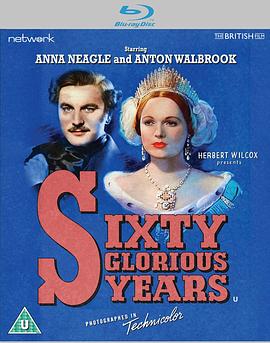
Sixty Glorious Years is an exercise in the creation of iconography, both for Victoria and its star, Anna Neagle (who subsequently became known as 'Regal Neagle'). Just as Elizabeth I commissioned artists to create flattering iconic images for public consumption, so this film performs a similar function, for Neagle is more beautiful than the real life Victoria. Controversial events (such as the 'Irish problem') are omitted and unpleasant aspects of Victoria's character (her petulance, arrogance, favouritism and 'right to privilege') are glossed over as endearing little 'whims'. Albert acts as a moderating influence when she goes too far. The film followed a year after the highly successful Victoria the Great (d. Herbert Wilcox, 1937). Again the screenplay is by Miles Malleson and Robert Vansittart, and many of the supporting cast (the cream of acting talent of period) repeat their roles, this time for the colour cameras. This was the first full length Technicolor film of cinematographer Freddie Young, who captures the spectacle of royal weddings, grand balls and opulent interiors, with scenes actually filmed at royal palaces. Vivid battle scenes, set in Alexander Korda's empire territory (Sevastopol and the Sudan), rival those in The Four Feathers (d. Zoltan Korda 1939). The title music sets the tone a regal choir sings over a shot of the crown. Elgar's 1901 'Pomp and Circumstance' march is heard during the diamond jubilee celebrations and, as Victoria's coffin lies in state, the film concludes with Anthony Collins' stately music accompanied by the text of Rudyard Kipling's 'Lest we forget'. Combined with the emotional appeal of scenes of Victoria connecting with her 'ordinary folk', this is stirring stuff. The film connects with contemporary events of 1938. The release of two celebratory royal films was intended to boost public affection for the monarchy in the wake of Edward VIII's abdication. Anglo-German relations were another touchy subject. With another war on the horizon, influential voices wanted appeasement, and the film could be seen to fit that agenda. Victoria herself was of mainly German descent, nicknamed 'the grandmother of Europe', while Albert is a 'good German', charmingly played by Anton Walbrook as a cultured, decent man. Sixty Glorious Years now seems unduly formal and reverential. Had movies existed during Victoria's reign (they only emerged at the end) this might have been the kind of film produced. Unlike Mrs Brown (d. John Madden, 1997), it is all so very 'Victorian'. Roger Philip Mellor
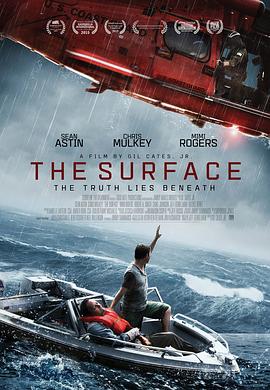
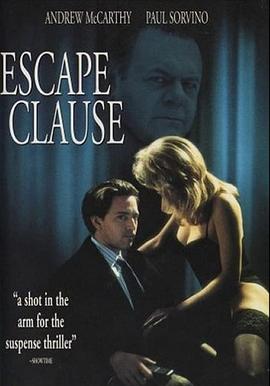
A man finds out from a would be killer that his wife has paid $10,000 to have him killed. But is this mysterious man telling the truth When both the killer and the wife turn up dead, everyone is a suspect, and the investigation takes an unexpected tur
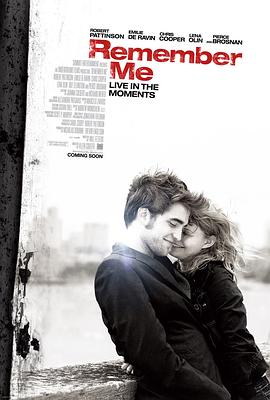
21岁的泰勒(罗伯特·帕丁森 Robert Pattinson 饰)十分的叛逆,与舍友挤在一幢狭小的公寓里,整日沉溺于书籍和尼古丁之中,脾气暴躁甚至因斗殴而被警察拘留。面对自己成功的企业家父亲查尔斯(皮尔斯·布鲁斯南 Pierce Brosnan 饰),泰勒充满了抵触,并且把哥哥的自杀和妹妹早熟的性格全部归咎于父亲对他们的疏忽。泰勒和艾丽(艾米莉·德瑞文 Emilie de Ravin 饰)的交往始于一场斗殴事件,泰勒因斗殴而被一名警察(克里斯·库珀 Chris Cooper 饰)拘留,几天后,泰勒的室友发现那名警察的女儿艾丽居然和他们在同一所学校。在室友的怂恿下,泰勒和艾丽开始了交往。 面对生活中的种种不幸,泰勒选择了用对抗去保护自己,而与他有着类似不幸遭遇的艾丽却用乐观豁达的态度去享受生活……
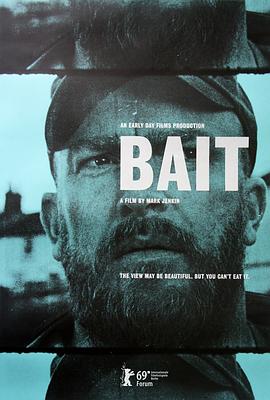
康沃尔渔村的风景明信片田园诗误导了人们。虽然过去钓鱼是一种养家糊口的方式,但如今富有的伦敦游客纷纷下山,取代了当地人,当地人的生计因此受到威胁。史蒂文和马丁兄弟的关系也很紧张。马丁是一个没有船的渔夫,因为史蒂文开始用它来为一整天的游客提供更赚钱的旅游。他们卖掉了这座家庭别墅,现在看来,最后一场战斗是和新主人在海边的停车位上展开。然而,情况很快就失控了,而不仅仅是因为车轮夹钳。 Bait是一种黑白,手工制作,16毫米胶片制作的电影。许多关于鱼、网、龙虾、长靴、绳结和渔篮的特写镜头让人想起了蒙太奇景点的理论。对不同社会阶层的描述——可以说是阶级关系——也让人想起了英国电影中的社会现实主义传统。然而,最重要的是,在影像中不同层次的电影历史参考文献之下,当前许多政治关联正在等待被发现。 The picture-postcard idyll of the Cornwall fishing village is misleading. While fishing used to be a way of supporting oneself, wealthy London tourists have now descended and are displacing the locals, whose livelihood is thus threatened. The relationship between brothers Steven and Martin is also strained. Martin is a fisherman without a boat, since Steven started using it for far more lucrative tours for all the day-trippers. They’ve sold the family cottage and now it seems that the final battle to be fought is that with the new owners over the parking space next to the sea. Yet the situation soon gets out of hand, and not just because of the wheel clamp. Bait is a black-and-white film shot on hand-processed 16mm. Numerous close-ups of fish, nets, lobsters, wellington boots, knots and catch baskets bring to mind the theory of a montage of attractions. The depiction of the different social strata – one could speak of class relations – is also reminiscent of the tradition of social realism in British cinema. Above all, however, a whole lot of current political relevance is waiting to be discovered beneath the different layers of film historical references contained in the images.