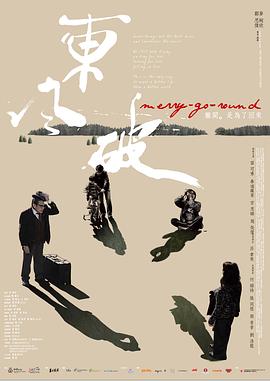
女主角官恩娜曾因此片获得2012 澳大利亚悉尼金考拉国际华语电影节最佳女主角奖。 一个因此长期滥用药物而频临死亡的的华裔女孩(官恩娜 饰),离开熟悉的旧金山就为去香港见一个只在网上聊天的网友三藩市。途中遇到一个终日待在棺材铺,不与外界节流的坏脾气老伯(泰迪·罗宾 Te ddy Robin 饰)。而旧金山另外一个几十年没有怎么出远门的女中医(苗可秀 饰),不得不为了一份速递屋契回去久别的香港。南北行药材铺少东家(周俊伟 饰),却从来不喜欢自己的家族生意。这些人的相遇到底是巧合还是命运的安排,看似陌生人似乎能给对方带去不同凡响的影响......
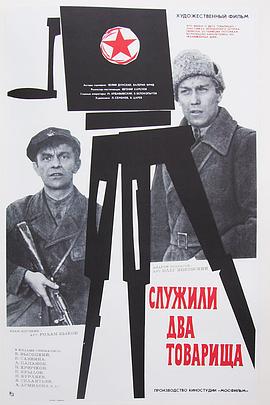
Set during the last days of the civil war that followed the Russian Revolution. The Crimea Peninsula is the last stronghold of the White Guard, and the Red Army is planning the final assault. The first story line of the movie follows two Red Army soldiers unlikely friends Nekrasov and Karyakin. The second story line is about a White Guard officer Brusentsov who is devoted to Russia and his cause but sees it being destroyed day by day.
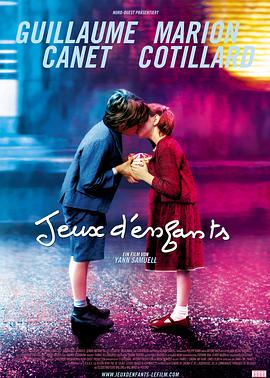
当一个人问另一个人“敢不敢”的时候,另一个人必须说“敢”,这就是游戏的规则。小男孩于连和小女孩苏菲的相遇即开始于这样一场孩童的闹剧,一个精美的铁盒子就是他们游戏的见证。说脏话,扰乱课堂,在校长室小便,内衣外穿……一个游戏两人一玩十多年,他们什么都敢,除了承认彼此相爱。 苏菲(玛丽昂·歌迪亚 Marion Cotillard 饰)提议两人分别四年,挑战的内容是于连(吉约姆·卡内 Guillaume Canet 饰)敢不敢伤害苏菲。恍惚四年逝去,于连找到苏菲,为了游戏的进行他决定另娶她人,邀请苏菲做伴娘。受到伤害的苏菲在于连的婚礼上抛出铁盒子“你敢悔婚么?”原本最最亲密的朋友相互伤害最深。同样心痛的两个人相约再次分别十年。 十年里,于连拥有了一切,家庭、事业、朋友,只是没了苏菲宛如没了心,原来丧失激情的生活这般索然无味。 终于十年过去,“Love me, if you dare...”
Maine, 1876. Tending the lighthouse on a remote island for her ailing husband, a woman confronts secrets buried in deep waters and navigates a hostile, new world.
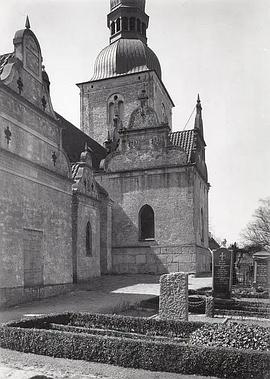
The history of Danish country church architecture is told by showing scenes of how the church was used by the congregation, beginning with the celebration of mass in a small and simple wooden church 800 years ago, and ending with the congregation singing in a village church of to-day. The development and the growth of the pattern of church architecture is shown. Dreyer in this film shows a series of churches from different periods with churchgoers in period clothing. Each period is separated by a shot of a church bell double-exposed on the sky. Although the film has a vibrant and instructive way of communicating the different epochs and styles to students, it does not exhibit the artistic quality that usually distinguishes a Dreyer film, except perhaps in some of the costumes, which were originally made for Day of Wrath. The board of Dansk Kulturfilm in autumn 1945 decided that their planned church film would exclusively be about village churches. Dreyer would rework the script that was written by editor and folk high-school principal Bernhard Jensen, aided by a committee of experts consisting of architect H. Lønborg-Jensen and Victor Hermansen, curator at the National Museum of Denmark. Dreyer had a first draft ready in mid-March, entitled Kirken er et gammelt Hus (The Church Is an Old House), which was distributed to the members of the committee for their comments. In the last half of July, Dreyer and Victor Hermansen travelled the country to look at suitable churches. They researched the details and at Dreyer’s request a number of technical changes were made to the churches, including the removal of porcelain holders for electrical wiring in Tveje Merløse Church. On 4 July, Dreyer went in advance to Ringkøbing. Shooting was set to start a few days later with the arrival of the director of photography, Preben Frank, who had fallen off a ladder and broken his leg, Fortunately, he was ready to cautiously start working again within a few days, with his leg in a cast. Otherwise, the production went without a glitch. Everywhere, Dreyer said, they were well received at the vicarages and they had no problem getting enough extras. On 1 august, they returned to Copenhagen with almost all their footage in the can. They only needed to film the church in Skelby, where the weather had been against them, plus a Swedish wooden church in Hedared. The economy was distressed so soon after the war, especially when it came to foreign currency, but there were no real wooden churches left in Denmark and building an interior set in the studio would be too expensive. The finished film was shown for the first time on 24 September 1947 to a small, closed circle, which included the Minister for Ecclesiastical Affairs. In December 1947, as was Dansk Kulturfilm’s standard practice, the film was presented to the press, politicians and others on a programme with four other short films.