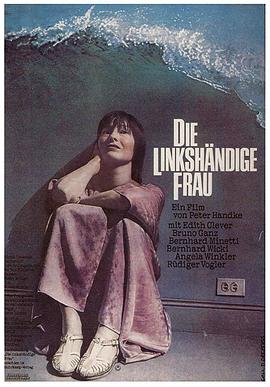
ynopsis from Time Out Film Guide Between the seemingly idyllic opening and closing scenes depicting a rural community, first at church, then at the village festival, Fleischmann attacks that community's prejudices and ignorance without remorse. His very precisely observed portrait of Bavarian life begins with little more than a display of the villagers' constant ribbing, bawdy humour, continuous gossip, and more than a hint of their slow-wittedness. With the return of a young man, their idle malice and childish clowning, always on the edge of unpleasantness, receive some focus quite without foundation, the lad is victimised as a homosexual. The crippling conformity of their ingrained conservatism leads the villagers to reject anything 'different' a young widow is ostracised, more for her crippled lover and idiot son than her morals; a teacher is frozen out because she's educated; the casual destruction of the young 'homosexual' is given no more thought than the cutting up of a pig. Not Germany in the '30s but the '70s; nevertheless the political parallels are clear. An impressive film.
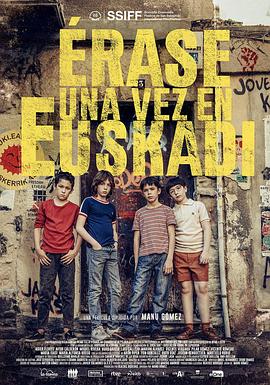
Euskadi 1985. El colegio ha terminado, por fin llegan las ansiadas vacaciones. Marcos y sus tres amigos, José Antonio, Paquito y Toni, reciben expectantes la llegada del verano, un verano prometedor sobre todo porque a sus doce años poco importa dónde, ni cuándo, ni cómo. Recorrerán las horas en el laberinto que la vida les ha deparado, en una Euskadi antigua, luchadora, convulsa. Un laberinto de paredes grafiteras, donde rebotan las pelotas de goma y los sueños de libertad; cubierto de un cielo gris prefabricado en cooperativas, donde la muerte y la vida ya no mantienen relaciones formales.
Tells us about a girl named Larasati, trying to fulfill her deceased mother's last wish to deliver a box filled with letters from her past to an old guy lived in Prague. A story about forgiveness, tying loose end and bond.